Geological Survey: Experts identify high-quality marble deposits by examining stone density, hardness, veining patterns, and color consistency.
Removal: Using advanced machinery like diamond wire saws, chain cutters, and hydraulic drills, massive blocks are carefully separated from the mountain.
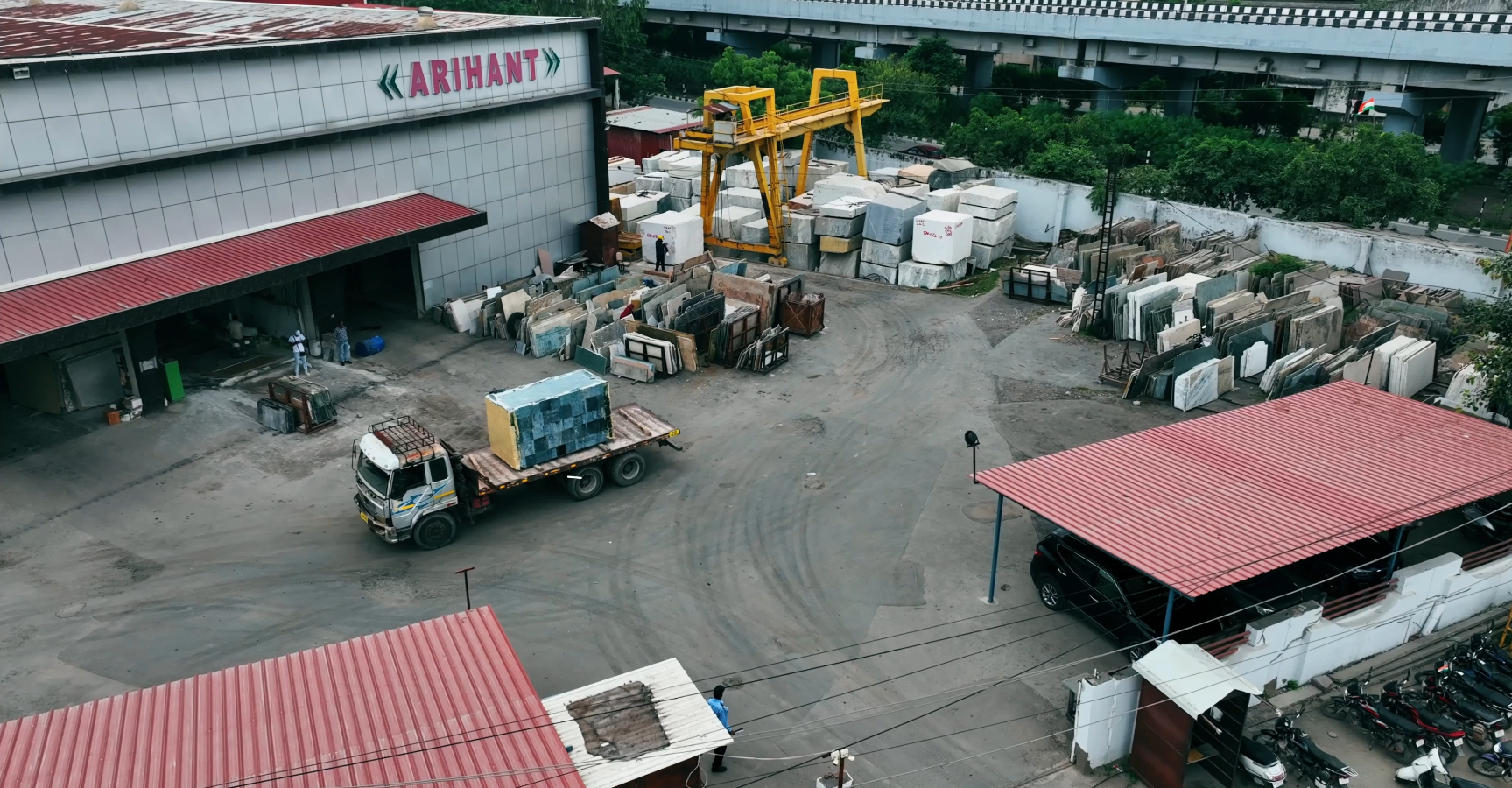
Transport: The extracted blocks, which can weigh many tons, are moved by heavy-duty cranes and loaders onto trucks.
Factory Processing
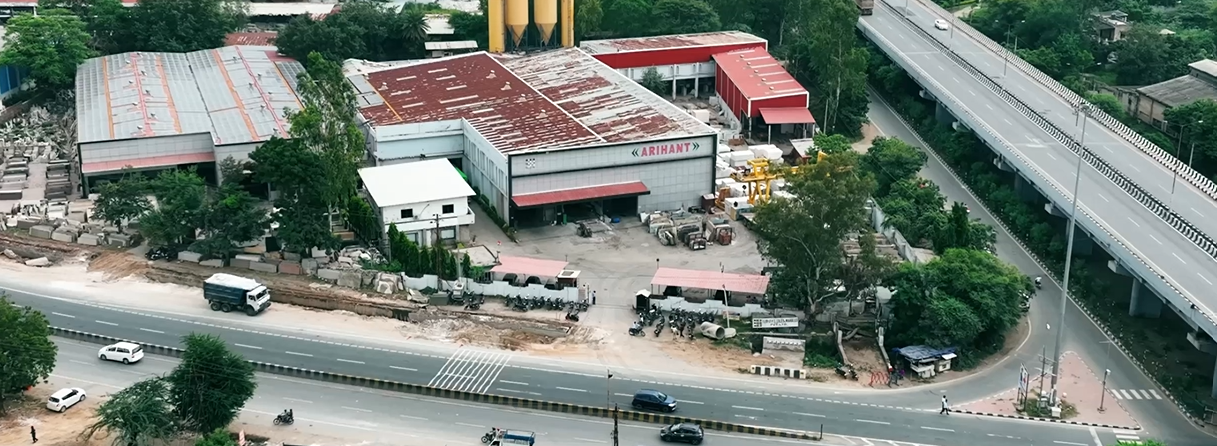
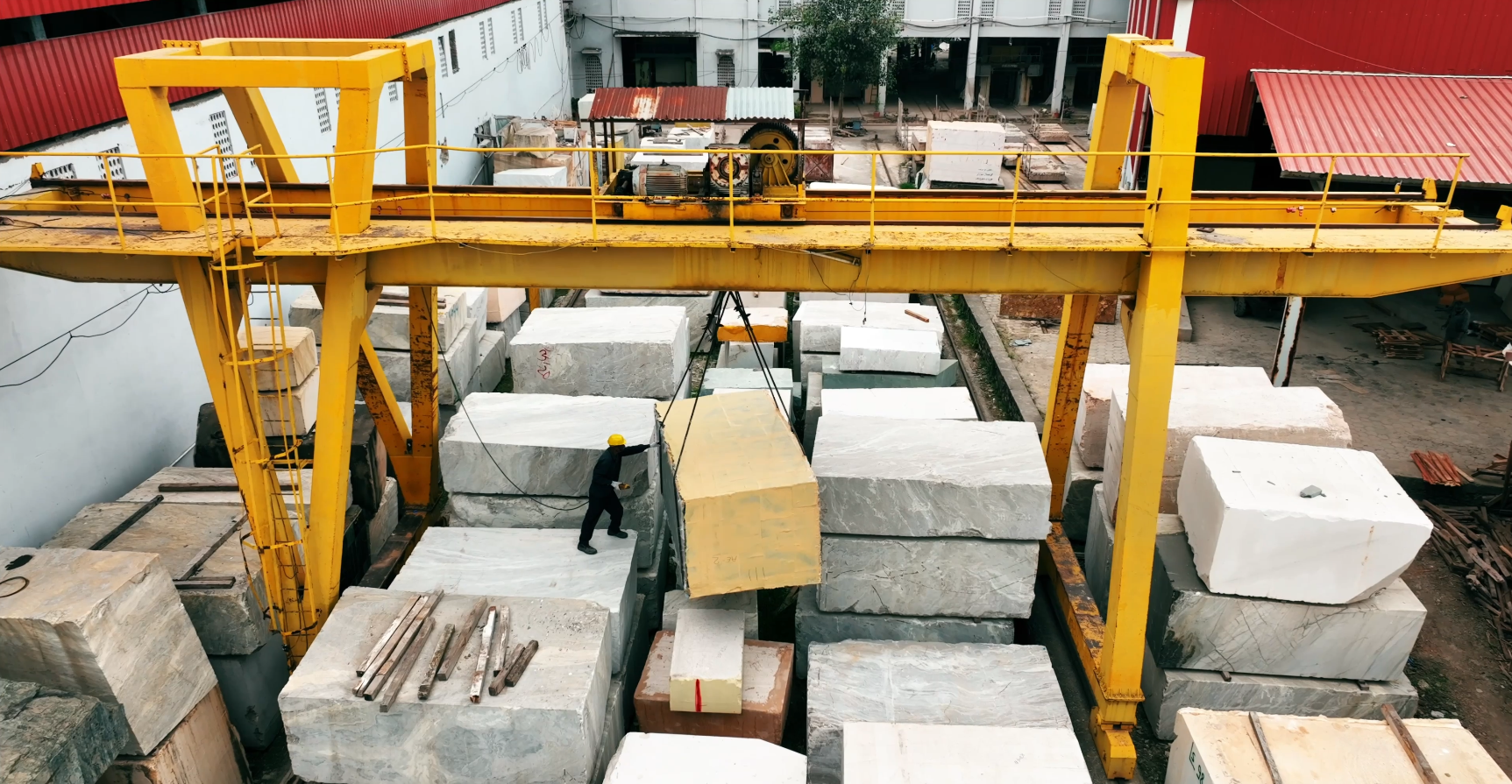
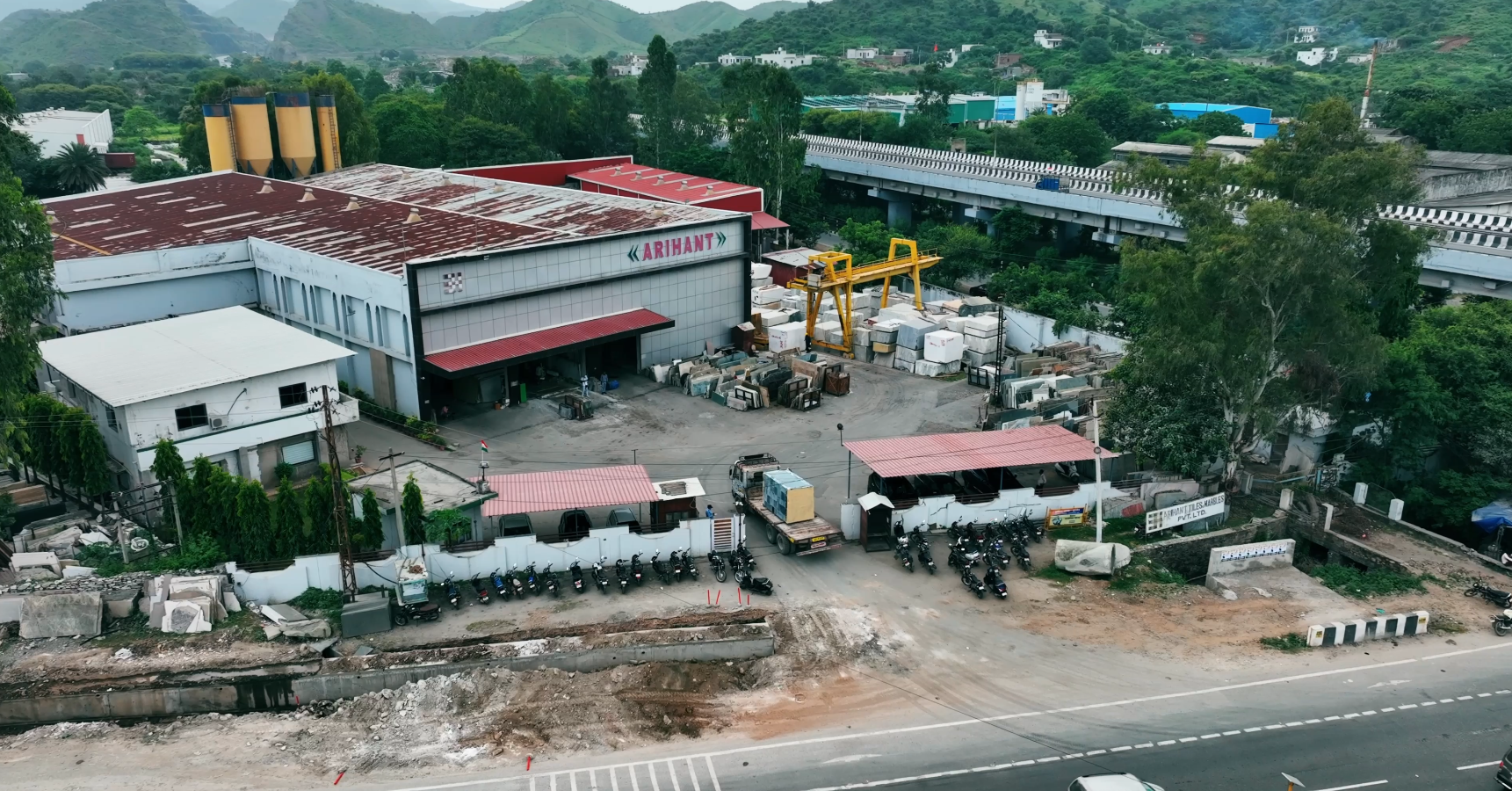
Cutting into Slabs: Once at the factory, blocks are unloaded using heavy-duty gantry cranes. They are sliced into thinner slabs using high-tech machinery like gang saws or multi-wire saws equipped with diamond-tipped blades.
Resin Treatment: To strengthen the stone and fill tiny pores, pinholes, or natural fissures, a special epoxy resin is applied to the slab surface. The slabs are then placed in ovens to harden the resin, making the marble more durable.
Calibration: This step ensures that every slab has a consistent thickness from edge to edge, which is critical for proper installation.
Finishing and Quality Control
Polishing and Honing: Automated machines with abrasive pads smooth the surface. Polishing creates a high-gloss, reflective, and smooth finish. Honing provides a matte or satin finish. Other finishes include leathered, brushed, or bush-hammered. .
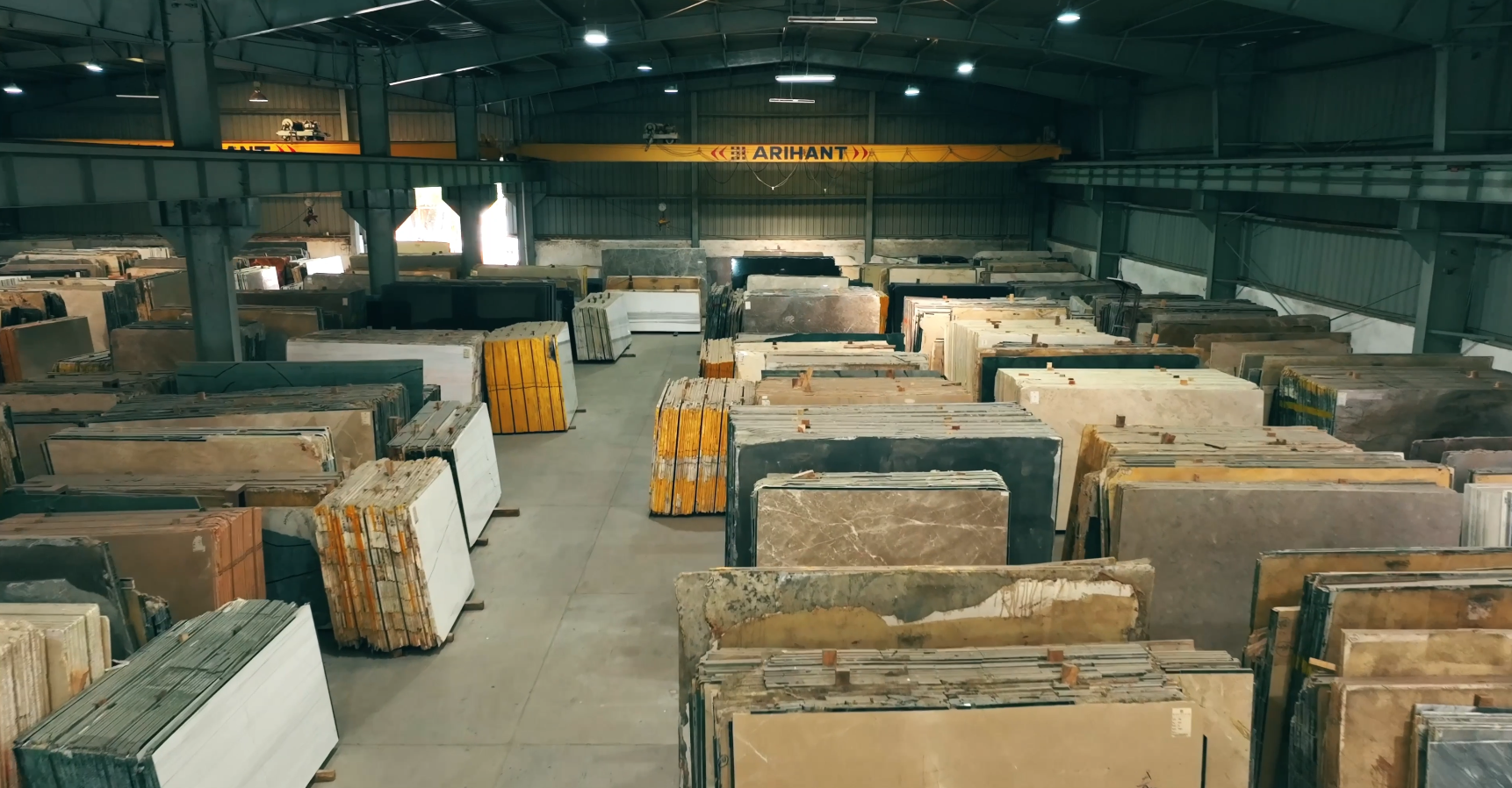
Quality Inspection: Experts inspect each slab for color uniformity, vein consistency, and structural integrity. Slabs are then graded based on their quality and aesthetic appeal.
Packaging and Shipping: Finished slabs are carefully packed into wooden crates or secured on A-frames with protective padding to prevent damage during transport to distributors or showrooms.
Behind the Excellence
Witness the precision and craftsmanship that turns raw stone into timeless art.